Inside the 2025 Renovation of Inn 32
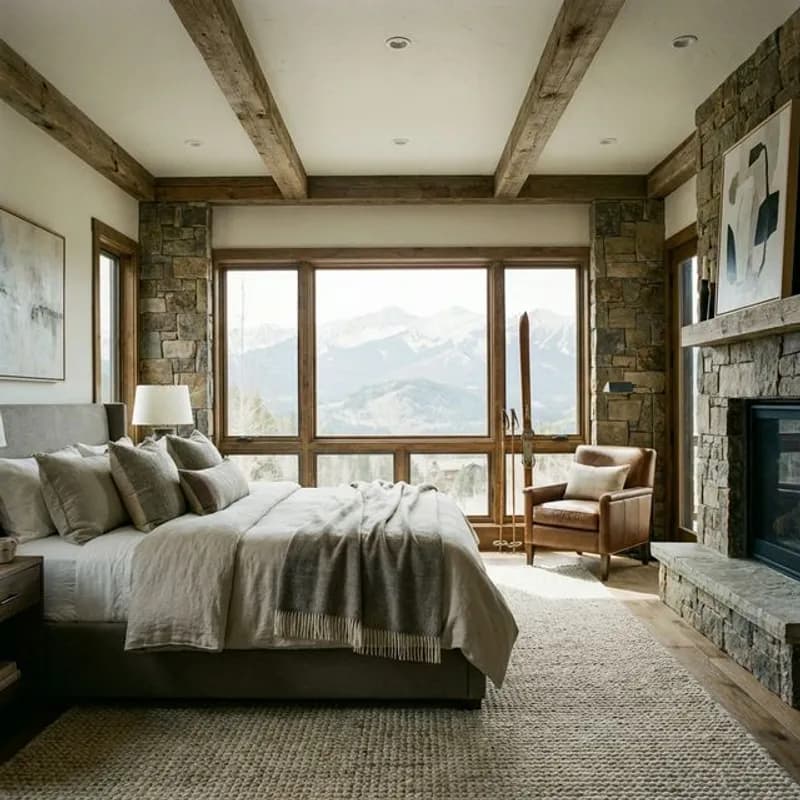
Every building tells a story. For the historic property at 180 Main Street in North Woodstock, that story includes decades as a beloved community gathering place. In 2025, Inn 32 completed a comprehensive renovation that honors the property's heritage while creating a contemporary boutique hotel experience. This behind-the-scenes look shares the vision, challenges, and triumphs of bringing this iconic building into the modern era.
The History of 180 Main Street
The property at 180 Main Street served North Woodstock and visiting mountain enthusiasts long before 2025. The building's solid construction reflects an era when craftsmanship mattered and buildings were built to last. Local residents and returning visitors have memories connected to this address—gatherings, celebrations, and quiet moments during mountain retreats.
Understanding this history shaped renovation decisions. The goal wasn't creating something entirely new, but rather stewarding a historic property into a new chapter while respecting its past.
Pre-Renovation Challenges
The property faced challenges typical of mid-century buildings needing modernization:
Systems Aging - HVAC, plumbing, and electrical systems required updating to meet contemporary standards and efficiency expectations.
Structural Deferred Maintenance - Roofing, foundation, and exterior components showed their age. These systems had to be addressed before cosmetic improvements could be meaningful.
Layout Inefficiencies - Historic layouts didn't always serve modern hospitality needs. Some rooms were too small or awkwardly configured. Bathrooms needed enlargement and modernization.
Energy Efficiency - Older windows, insulation, and building envelope didn't meet contemporary efficiency standards. Heating and cooling costs were high.
Code Compliance - Bringing the property into full compliance with current building codes required substantial work.
The Renovation Vision
Rather than treating the property as a blank slate for demolition and rebuilding, the renovation vision focused on respectful modernization. The approach asked: How can we honor the building's heritage while creating excellent hospitality?
Core Philosophy
Authenticity Over Imitation - The renovation didn't try to recreate historical aesthetics with fake period furnishings. Instead, it respected original architectural elements while surrounding them with honest contemporary design.
Quality Over Quantity - Rather than maximizing room count, the renovation prioritized quality. Fewer rooms, better designed, with superior finishes and amenities.
Local Connection - The design incorporated local materials, art, and craftsmanship where possible, creating connection to the North Woodstock community and White Mountains heritage.
Sustainability - Energy efficiency, responsible material selection, and environmental consciousness guided decisions. A boutique hotel should operate respectfully on the landscape it occupies.
Major Renovation Elements
Structural and Systems
The first phase involved invisible but essential work:
Foundation Work - Careful stabilization and reinforcement ensured structural integrity for another generation.
Mechanical Systems - New HVAC systems provide individual room temperature control, efficient heating and cooling, and year-round comfort. The new system reduced energy consumption significantly despite improved performance.
Plumbing Modernization - Water lines were replaced with modern materials ensuring safe, efficient water delivery and adequate pressure throughout the building.
Electrical Upgrade - New electrical systems handle contemporary power demands while meeting safety codes. All guest rooms feature adequate outlets for modern electronics.
Roof Replacement - The new roof uses quality materials designed for durability and energy efficiency.
Interior Design and Guest Rooms
Guest rooms received complete interior renovation while respecting the building's bones and proportions.
Room Design Elements
Finishes - Natural materials dominate: wood flooring, stone accents, and locally-sourced furnishings create warmth. Colors reflect the White Mountains landscape—deep greens, forest tones, and stone grays.
Lighting - Layered lighting (ambient, task, and accent) creates flexibility for different moods and times of day. Natural light from restored windows provides primary daytime lighting.
Bedding and Comfort - Premium mattresses, high-thread-count linens, and quality pillows ensure guest rest quality. After mountain days, guests deserve excellent sleep environments.
Bathrooms - Modern bathrooms feature heated tile floors, rainfall showerheads, and quality toiletries. The contrast between rustic exteriors and modern comfort represents the renovation's balance.
Storage - Adequate closet and drawer space acknowledges that guests stay multiple nights and need organization.
Each Room's Character
Rather than identical rooms throughout, the renovation emphasized that each room has character. Layout variations, window placements, and design choices prevent the cookie-cutter hotel experience. Guests choosing different rooms on return visits discover fresh perspectives.
Lobby and Common Spaces
The public spaces received special attention as gathering areas for guests and community members.
Reception and Entry - The redesigned entry creates welcoming atmosphere while establishing professional hospitality environment. Modern check-in systems contrast with historic architectural elements, representing the renovation's blending of eras.
Gathering Areas - Common spaces feature comfortable seating, fireplaces, and mountain views. These are genuine gathering spaces for social interaction, not decorative afterthoughts.
Breakfast Areas - The dining space showcases local views and welcomes guests for morning meals. Natural light and quality furnishings create pleasant breakfast atmosphere.
Exterior and Landscape
The property's exterior received thoughtful treatment honoring its historic character:
Paint and Finishing - Exterior restoration used appropriate colors reflecting the building's heritage. Quality paint and materials ensure durability.
Landscaping - Native plantings create beauty while supporting local ecology. The landscape is maintained for guest enjoyment while respecting native species.
Parking and Access - Improved parking and circulation don't detract from the pedestrian-friendly Main Street location. Guest access is convenient without disrupting the building's street presence.
Signage - Understated signage identifies the property without architectural intrusion. The approach respects the streetscape.
Sustainability and Operating Systems
The renovation prioritized environmental responsibility:
Energy Efficiency - Insulation improvements, efficient HVAC systems, and LED lighting reduce energy consumption by an estimated 40% compared to pre-renovation operations.
Water Conservation - Low-flow fixtures and efficient plumbing reduce water usage while maintaining guest comfort.
Materials Selection - Where possible, sustainable materials were chosen. Furnishings from local suppliers reduce transportation impact.
Operations - Housekeeping and maintenance procedures emphasize environmental responsibility without compromising guest experience.
Challenges and Solutions
Every renovation faces unexpected challenges:
Hidden Structural Issues - Like many older buildings, unexpected problems emerged during construction. The foundation inspection revealed settlement patterns requiring additional work. The team adapted plans to address these professionally.
Historic Preservation Considerations - Working with local historic preservation guidelines required balancing modernization with heritage protection. Solutions honored both perspectives.
Maintaining Operations - The renovation occurred while managing ongoing guest stays. The team carefully coordinated work to minimize disruption while proceeding efficiently.
Budget Realities - Like all projects, costs evolved. The team made thoughtful decisions about which elements deserved premium investment (guest comfort) versus cost-effective solutions (back-of-house systems).
Timeline Adjustments - Initial timelines required adjustment as complexity emerged. The team prioritized quality over arbitrary deadlines.
Design Team and Local Builders
The renovation succeeded because of talented professionals committed to excellence:
Architects - The design firm understood how to blend historical respect with contemporary hospitality requirements.
Builders and Contractors - Local and regional builders brought expertise in White Mountains construction and craftsmanship traditions.
Suppliers - Working with quality material suppliers ensured finishes would endure and perform beautifully.
Consultants - Structural engineers, code consultants, and specialized contractors contributed expertise in their domains.
What Guests Experience Today
The renovation result is a boutique hotel that:
- Feels like an Inn - Not a corporate chain property, but a distinctive establishment with character and personality
- Offers Genuine Comfort - Modern amenities and systems ensure guest comfort without sacrificing charm
- Connects Guests to Place - Design choices and local materials create connection to North Woodstock and the White Mountains
- Respects Heritage - The building's history is acknowledged and honored, not erased
- Prioritizes Quality - Fewer rooms, better designed, with superior finishes create excellence
Guests immediately notice the difference from typical hotel experiences. The property feels like a real place—distinctive, thoughtfully designed, and genuinely welcoming.
The Ongoing Story
The 2025 renovation isn't an ending but a chapter. The building will continue evolving as guest needs and industry standards develop. The renovation established excellent foundations and systems supporting hospitality excellence for decades.
Maintaining these systems, honoring the design vision, and continuing to improve guest experience remains the ongoing commitment.
Why This Matters to Our Guests
Understanding the renovation story helps guests appreciate what they experience. The comfort they feel, the ambient design that works without demanding attention, the systems that perform seamlessly—these result from thoughtful planning and quality execution.
The property you stay in isn't a generic hotel facility but a specific place with history, character, and design intention. That distinctiveness makes the experience memorable.
A Boutique Hotel Philosophy
The renovation and ongoing operations reflect boutique hospitality philosophy: exceptional properties in distinctive locations, characterized by personal attention, quality furnishings, and respect for guests' expectations.
Inn 32 isn't trying to be all things to all people. Instead, we excel at serving guests seeking authentic White Mountains experiences in well-designed, comfortable accommodations at a premier location.
Book Your Experience
When you stay at Inn 32, you're experiencing the culmination of the renovation vision. The comfort you enjoy, the thoughtful design surrounding you, and the connection to North Woodstock reflect years of planning and commitment to excellence.
Visit us at 180 Main Street and discover why the 2025 renovation created a boutique hotel that honors heritage while delivering contemporary hospitality excellence.
The story continues. We'd love for it to include you.