Spring Hiking and Navigating Mud Season
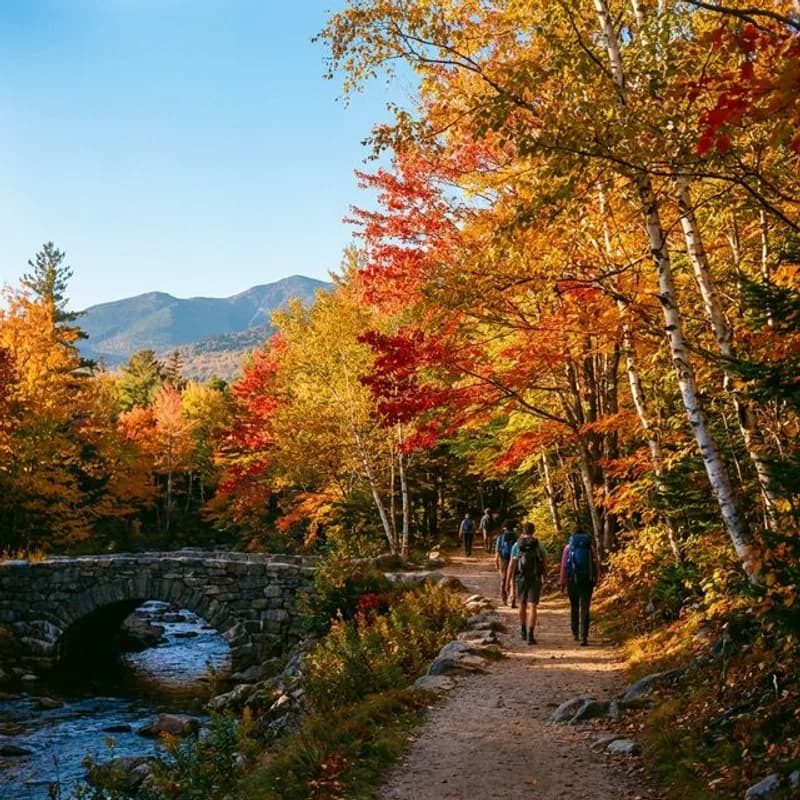
Spring in the White Mountains brings the promise of renewed trails and awakening forests, but it also brings something that catches many unprepared hikers off guard: mud season. If you're planning an April or May hiking trip to North Woodstock, understanding how to navigate spring conditions is essential for enjoying the White Mountains responsibly and safely. This guide covers everything from determining which trails are passable to packing smart for muddy terrain.
Understanding White Mountains Mud Season
Mud season in the White Mountains is a real phenomenon, not an exaggeration. From early April through May, trails transform into slippery, boot-sucking quagmires as winter snowmelt combines with spring rain and the thawing ground. Many trail maintainers actually close popular high-elevation trails during this period to prevent erosion damage that can take years to repair.
The White Mountains are managed with conservation in mind. When trails are muddy, hikers naturally try to walk around the muck, which gradually widens the trail and causes vegetation loss. The Appalachian Mountain Club and other trail stewards therefore encourage hikers to stay on official trails even when muddy, or better yet, to stick to lower-elevation routes that dry faster.
Trail Closing Practices
Major trails in the White Mountains, including many routes on Mount Washington, close during mud season for environmental protection. The popular Tuckerman Ravine Trail, for instance, typically closes from April 1 to May 15. Check the Appalachian Mountain Club website or local ranger stations before heading out—conditions vary year to year depending on snowmelt timing and rainfall.
Lower-Elevation Trails That Open Earlier
Just because high-elevation trails are closed doesn't mean you can't enjoy fantastic spring hiking near North Woodstock. The region offers numerous lower-elevation alternatives that dry out weeks before mountain peaks become passable.
Trail Options Near Inn 32
Cascade Brook Trail - This moderate trail near Franconia Notch State Park climbs just 1,400 feet to a scenic waterfall. The trail parallels a rushing mountain stream and opens by late April most years. At lower elevation, trail conditions improve rapidly as spring advances.
Greeley Ponds Trail - A 3.5-mile moderate hike that loops between two pristine mountain ponds. This trail tops out around 2,400 feet and typically opens by mid-May. The scenic reward justifies the muddy sections you might encounter.
Forest Lake Trail - One of the earliest trails to open, this moderate 2-mile loop at just 1,100 feet elevation typically provides good hiking conditions by early April. It's an excellent warm-up hike before tackling higher peaks.
Lonesome Lake Trail - This 2.6-mile out-and-back trail climbs modestly to a mountain lake with excellent views toward Franconia Ridge. The elevation gain is only about 900 feet, making it a good spring option that usually dries by mid-April.
Why Lower-Elevation Trails Dry First
Lower elevations have several advantages in spring. Snow melts earlier, creating fewer wet spots. Increased sunshine and air circulation at lower elevations help trails dry faster. These trails often receive less snow coverage throughout winter, meaning less snowmelt to contend with. Best of all, they're tremendously rewarding with wildflowers, rushing streams, and wildlife activity that define White Mountains spring.
When Do Specific Trails Open?
Trail opening dates depend on winter snowfall, spring snowmelt timing, and rainfall. Here's a general timeline based on historical averages:
Early April
- Forest Lake Trail and other tracks below 1,500 feet
- Some lower sections of maintained trails
Mid-April
- Most trails between 1,500-2,500 feet elevation
- Cascade Brook Trail
- Moat Mountain area trails
Late April to Early May
- Higher trails between 2,500-3,500 feet
- Sugarloaf Trail area
- Cannon Mountain area trails (weather dependent)
Mid-May
- Most high-elevation trails finally open
- Trails above 3,500 feet
- Tuckerman Ravine and similar popular peaks become accessible
Official opening dates posted by trail managers and the AMC are your best resources. Call ahead to visitor centers or check their websites before your trip.
Packing Smart for Muddy Conditions
Essential Gear
Waterproof Hiking Boots - Not just water-resistant, but truly waterproof with sealed seams. Boots that keep your feet dry make a tremendous difference on muddy trails. Gaiters worn over boot tops add extra protection.
Merino Wool Socks - These maintain insulation even when damp, unlike cotton. Bring extra pairs so you can change into dry socks at the trailhead.
Trail-Specific Footwear - Lightweight trail runners or shoes with aggressive treads grip muddy footing better than smooth-bottomed boots. Many spring hikers switch to trail runners when conditions allow.
Microfiber Towel - Pack a small, highly-packable microfiber towel for wiping boots at the trail exit or cleaning hands.
Waterproof Gaiters - These wrap around your ankles, keeping mud and moisture out of your boots. They're inexpensive and invaluable.
Clothing Layers
- Base layer (merino wool for moisture management)
- Insulating mid-layer (fleece or light down)
- Waterproof shell jacket (spring storms develop quickly)
- Extra socks and a dry shirt in your pack
Other Essentials
- Trekking poles help on slippery sections and reduce knee stress going downhill
- Extra water and electrolyte snacks (mud hiking burns extra energy)
- Trail map and navigation tools
- First aid supplies including blister treatment
Trail Etiquette on Muddy Sections
When encountering muddy sections, resist the temptation to walk around them. Yes, it's tempting to avoid that boot-sucking mud, but widening the trail causes more damage than the mud itself. Walk through the center of muddy sections, even if you get completely muddy. Your responsible hiking preserves trails for everyone.
If you find conditions unbearably wet—if the trail is essentially a stream—that's a valid reason to turn back. There's no shame in recognizing unsafe conditions. The mountains aren't going anywhere.
Staying at Inn 32 During Spring Season
Our location on Main Street in North Woodstock puts you perfectly positioned for spring hiking adventures. When you return from muddy trails, our comfortable rooms provide a welcoming retreat. We recommend booking a room with a shower powerful enough to rinse away trail mud and a comfortable bed where your muscles can recover.
Many of our guests appreciate that we can provide current trail condition reports and recommendations based on today's specific situation. We know the local trails intimately and can suggest alternatives if your planned hike turns out to be too muddy on your arrival date.
Check our special offers for spring hiking packages that bundle lodging with local trail maps and guide recommendations.
What Makes North Woodstock Special for Spring Hiking
North Woodstock sits at the crossroads of diverse hiking terrain. You're minutes from:
- Franconia Notch State Park trails
- Pemigewasset Wilderness routes
- Lincoln Woods Trail system
- Greeley Ponds area
This variety means you can flexibly choose daily hikes based on current conditions. Your things to do around Inn 32 guide highlights many options.
Weather Considerations
Spring weather in the White Mountains remains unpredictable. Temperatures range from near freezing at dawn to 50-60 degrees by afternoon. Sudden afternoon thunderstorms can develop rapidly, especially as the season progresses. Always carry a waterproof shell, even on days that start clear.
Higher elevations remain much colder. If you venture above 3,500 feet, expect temperatures 15-20 degrees cooler than lower elevations. Late spring snow can still appear in alpine zones—always check conditions.
Making the Most of Spring in the Mountains
Spring hiking in North Woodstock offers unique rewards: fewer crowds than summer, dramatic waterfalls from snowmelt, wildflowers appearing daily, and returning wildlife activity. Early mornings often provide the best trail conditions before warming temperatures soften surfaces further.
The spring hiking season is perfect for building fitness and rediscovering trails you might hike in other seasons. Use April and May to refamiliarize yourself with terrain and trail routes before peak summer season arrives.
Your Spring Hiking Adventure
Inn 32 at 180 Main Street is your ideal base for exploring White Mountains hiking during spring's renewal season. Whether you're navigating muddy trails with proper gear or choosing lower-elevation alternatives, you'll discover why spring in North Woodstock transforms outdoor enthusiasts.
Book your stay and start planning which trails call to you this spring. We'll have fresh coffee ready when you return from your adventures.