Evening Moose Tours in the Pemigewasset Valley
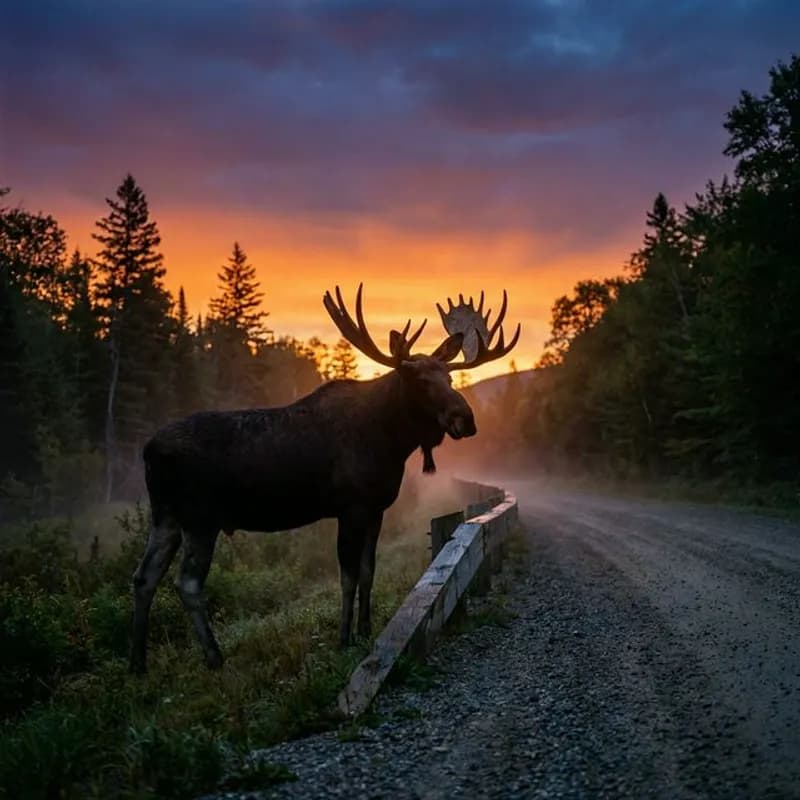
Few experiences match the thrill of seeing a moose in its natural habitat. These massive mammals—weighing up to 1,200 pounds—embody the wild character of northern New England. If you're visiting Inn 32 in North Woodstock, evening moose tours in the nearby Pemigewasset Valley offer an excellent chance to encounter these magnificent creatures. This guide covers everything you need to know about moose watching, from the best times to search to what gear ensures a comfortable evening in the forest.
Why Moose Tours in the Pemigewasset Valley?
The Pemigewasset Valley, stretching from North Woodstock into the White Mountains region, provides ideal moose habitat. The valley's mix of wetlands, young forest, and accessible waterways attract moose because these are the ecosystems where moose find their favorite foods: aquatic plants, willow shoots, and aquatic vegetation.
North Woodstock's proximity to prime moose habitat makes it a natural base for evening wildlife tours. Professional outfitters operate from nearby towns, and the valley's roads provide excellent routes for moose spotting. Unlike heading deep into wilderness requiring extensive hiking, valley moose tours allow you to look for animals using vehicles, then walking short distances when sightings occur.
Why Evening Tours Work Best
Moose are crepuscular animals, meaning they're most active during twilight hours—the period between sunset and full darkness. This timing has several advantages for moose watchers.
Feeding Activity - Moose emerge from daytime resting spots to feed as evening approaches. They move to wetlands and waterways where they can find preferred foods. Your guide positions the tour boat or vehicle to intercept moose during their most active hours.
Temperature - Evening cools after daytime heat, making moose more likely to move around. During hot summer days, moose often remain in water or heavy shade, minimizing sighting chances.
Lighting Conditions - Twilight provides sufficient light to see moose clearly, while darkness makes animals less likely to detect your approach. You get good visibility without the alertness that full daylight causes.
Tour Timing - Most evening moose tours depart around 5-7 PM, depending on sunset timing. Tours last 2-3 hours, ending well after dark. Peak twilight periods—roughly 30 minutes before sunset through 30 minutes after—represent maximum sighting probability.
What to Bring on a Moose Tour
Essential Gear
Binoculars - Quality binoculars help spot moose at distance before they detect your group. 7x42 or 8x42 binoculars work well for this application.
Comfortable Clothing - Layer appropriately for evening temperatures, which often drop 20-30 degrees from daytime highs. Include a waterproof shell—evening dew and possible rain are common.
Insect Repellent - Evening is peak mosquito and blackfly season in northern New England. Bring a strong insect repellent with high DEET concentration. Head nets provide additional protection and don't obstruct vision.
Closed-Toe Boots - Moose tours often involve wading or walking in damp areas. Waterproof boots ensure comfort if you need to step out of a vehicle to get closer for photographs.
Flashlight - Some tours provide spotlights for evening searching. Bring a personal flashlight with extra batteries for exploring around lodge areas or camp.
Optional but Appreciated Items
- Lightweight tripod for binoculars (reduces arm fatigue)
- Camera with zoom lens for wildlife photography
- Notebook for recording observations
- Small backpack for carrying items
- Thermos with hot beverage (evening chilling is real)
Best Times for Moose Tours
Peak Moose Season
May through July - Spring and early summer represent peak moose activity. Cows (female moose) actively feed to replenish energy after winter. Bulls (males) are growing antlers and feeding heavily. Wetland vegetation is at its most abundant, providing maximum moose food.
Mid-June through early July represents the absolute peak, with highest sighting probabilities. Cows are sometimes accompanied by calves, providing even more memorable viewing.
August and September - Moose remain active but can be more scattered as vegetation becomes less concentrated. Fall brings the rut (mating season) in September, when bulls are more active but also more aggressive and less predictable. Experienced guides still find moose regularly during autumn.
October - As weather cools, moose activity continues but hunting season adds complexity. Safety becomes more important—wear visible orange even on tours.
Factors Affecting Sightings
Success in moose watching requires understanding that sightings aren't guaranteed, regardless of timing. Weather, moon phase (bright moonlight makes moose more cautious), water levels, and food availability all influence sighting odds.
Professional tour operators know the terrain intimately. They understand where moose congregate based on current conditions. Your best chance of success comes from booking with experienced guides who adjust routes based on daily observations.
What to Expect on a Moose Tour
Tour Format
Most Pemigewasset Valley moose tours operate via canoe, kayak, or boat on valley waterways, or by vehicle slowly driving roads through prime habitat. Some combine both methods—vehicles transporting you to access points, then boats or on-foot searching.
Your guide will use spotlights (for vehicle tours) or paddle quietly (for water tours), watching for eye shine or shapes that might indicate moose. Spotting requires patience—you'll often spend considerable time scanning shorelines, valleys, and wetlands before sighting animals.
Common Sightings
When moose are spotted, they're often feeding in water, standing in shallow lakes or wetlands with water plants visible in their mouths. A feeding moose might remain in one area for 15-20 minutes, providing excellent viewing and photography opportunities.
Sometimes moose detect your group and move away. A respectful distance (your guide maintains this) allows moose to remain undisturbed while you observe. Never approach closer than guides recommend—moose can be aggressive, especially cows protecting calves or bulls during rut.
Memorable Details
Moose are larger than most people expect. Even photographs don't convey the sheer size of these animals. Seeing a 1,200-pound bull moose standing chest-deep in water leaves visitors awestruck. Their prehistoric appearance—long legs, humped shoulders, enormous antlers—makes them seem like remnants from another era.
The experience is often quiet and contemplative. Guides might speak in hushed tones, creating an atmosphere of reverence for wildlife. Many visitors find this meditative quality as memorable as the animals themselves.
Conservation and Respect
Northern New England's moose population has recovered remarkably from historical lows. However, moose face challenges from climate change, parasites, and population pressures. Responsible wildlife tourism respects these animals and their habitat.
Follow your guide's instructions precisely. Maintain appropriate distances. Don't attempt to attract moose through calls or other means. Photograph quietly without flash. Your respect for wildlife ensures moose remain wild and their habitat undisturbed.
Getting to Know North Woodstock
Your moose tour might depart from North Woodstock or from towns nearby like Lincoln or Woodstock. Inn 32's central location on Main Street makes it convenient for reaching various tour departure points.
Many guests plan their moose tour for their first or second evening, then spend other days exploring local attractions and activities. This combination—wildlife watching combined with hiking, scenic drives, or local dining—creates a complete White Mountains vacation.
Booking Your Moose Tour
Most Pemigewasset Valley moose tour operators require advance reservations, especially during peak season. Space fills quickly, particularly for June and July tours. We recommend booking your tour before arriving at Inn 32.
Tour costs typically range from $75-150 per person, depending on tour format and duration. Group discounts often apply, making moose tours affordable for families.
After Your Moose Tour
Return to Inn 32 after your evening adventure to process your experience. Did you spot a magnificent bull? A cow with calves? Perhaps you saw signs of moose—tracks, scat, or feeding areas—without seeing the animals themselves. Each experience is valid, and the experience of searching—of sitting quietly in beautiful landscape waiting for wildlife to appear—has value beyond successful sightings.
Our welcoming rooms provide comfortable spaces to review the evening's events and plan the next day's adventures. Many guests enjoy hot showers and warm beverages after cool evenings outdoors.
Check our special offers for packages that bundle lodging with guided experiences like moose tours.
The Pemigewasset Valley Awaits
Moose watching in the Pemigewasset Valley combines adventure, natural history, and the possibility of encountering one of North America's most impressive mammals. Whether you see moose or simply experience the beauty of the valley at twilight, evening tours provide memorable White Mountains experiences.
Inn 32 at 180 Main Street in North Woodstock is your perfect base for exploring the valley's wildlife and wilderness. Book your stay and your moose tour today. The mountains are wild here, and the moose are waiting.